
Tabski vs Square for Food Halls
Tabski vs Square for Food Halls
Square is a great fit for single merchants who want fast setup. Food halls are different: you need multi-vendor ordering, tenant isolation, operator reporting, and automated rent collection — all while keeping payments and reconciliation clean.
Merchant Account Structure: Multi-Tenant vs Single Merchant
Food halls need separation by vendor — without losing the operator’s birds-eye view.
Tabski
Tabski is designed for multi-tenant environments where each vendor runs as its own business. Vendors keep their own menus, employees, reporting, and payouts — while the operator sees unified hall performance.
- Vendor-level isolation for menus, staff permissions, and sales
- Operator rollups across the entire hall (by vendor, category, daypart)
- Clean settlement logic that scales when vendors rotate in/out
Square
Square is optimized for a single merchant location. In food halls, that often means vendor-by-vendor setups with separate ordering journeys — or an operator attempting to centralize data manually.
- Merchant-by-merchant architecture (not operator-first)
- Harder to create one unified guest experience across vendors
- Central reporting typically requires exports + manual consolidation
Automated Rent Collection (Built In)
Stop living in spreadsheets. Tabski automates percentage rent using real-time sales data.

What Tabski automates
Food hall operators typically reconcile rent monthly using exports from every vendor. Tabski turns that into a system workflow: track vendor sales automatically, apply rent rules, and generate settlements without manual math.
- Percentage rent and threshold logic (base + overage)
- Vendor-level rent statements + operator rollups
- Accurate reporting even with high mobile ordering volume
Multi-Vendor Ordering: One Cart, One Checkout
Guests don’t want to “place 3 orders.” Food halls win when ordering is unified.

Tabski multi-vendor flow
Tabski supports a true cross-vendor cart: guests browse multiple vendors, add items from different kitchens, and complete a single checkout — while the system routes items to the correct vendor and keeps accounting clean.
- Cross-vendor cart with vendor routing
- Unified checkout for higher conversion
- Clean vendor-level reporting and operational separation
Aggregated Online Ordering Journeys (More Covers)
A single website journey increases vendor discovery and boosts multi-vendor orders.

What “aggregated” actually means
Instead of sending guests into separate vendor websites and separate checkouts, Tabski keeps the entire hall inside one ordering flow. That means fewer drop-offs and more vendors per visit.
- One discovery experience across all vendor menus
- One checkout for pickup and delivery
- Better merchandising: “popular items,” “featured vendors,” and cross-sells
KDS + Real-Time Payment Logic (Refunds + SMS)
Food halls need guest-friendly workflows when kitchens run out of items.

Built for public-space operations
In food halls, the guest may already be seated or in another line. Tabski links KDS actions to payments: when an item is out of stock, staff can trigger the refund logic and message the guest automatically.
- Out-of-stock actions can initiate refund logic
- Customer updates via SMS (reduces confusion and complaints)
- Cleaner audit trails for operator and vendor accountability
Vendor Isolation + Operator Reporting
Operators need hall-wide intelligence. Vendors need privacy and independence.
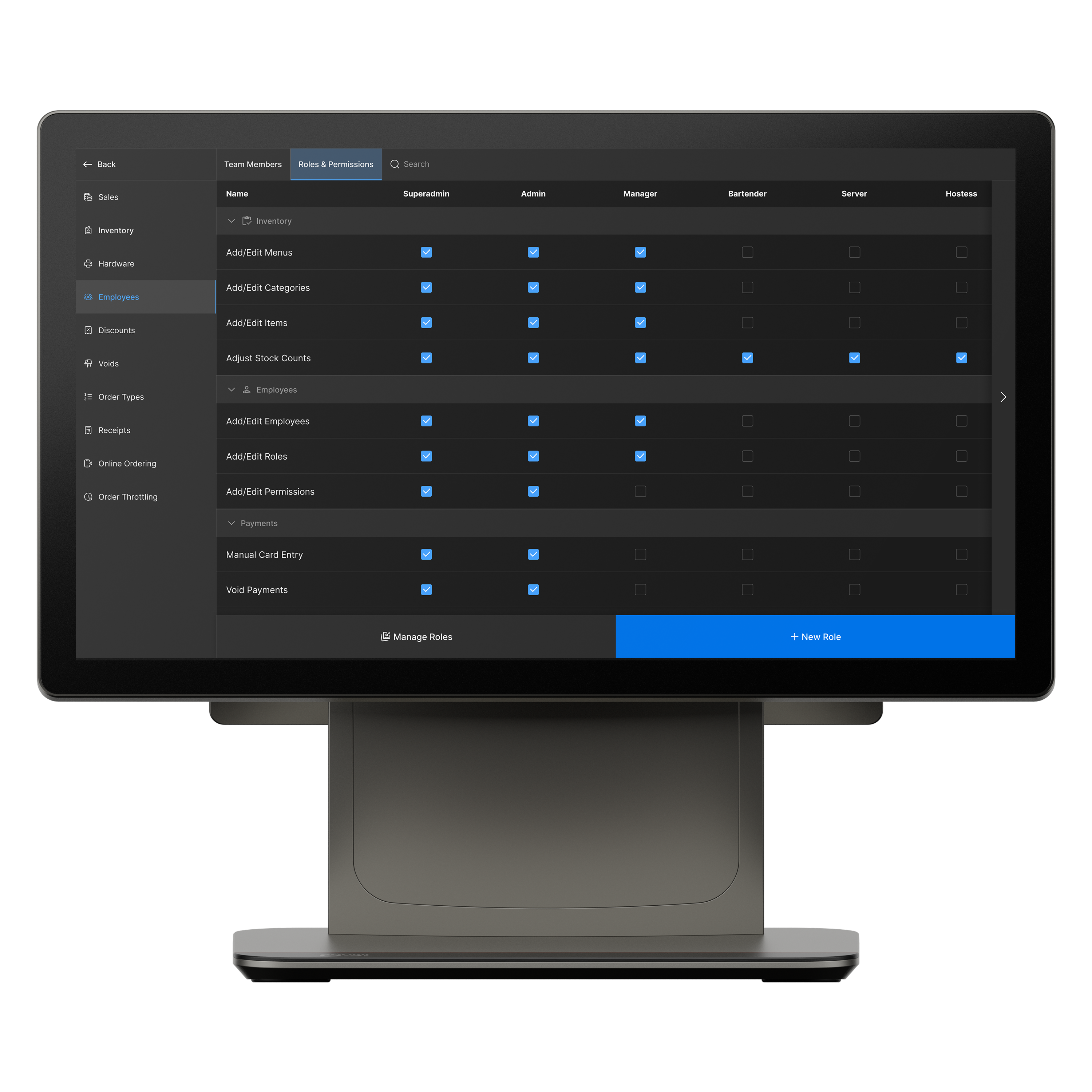
Clean separation without losing visibility
Tabski keeps each vendor isolated (menus, staff, reporting) while the operator still sees hall performance in real time: total sales, tenant comparisons, peak times, and mobile ordering share.
- Vendor-only access to their own data and staff tools
- Operator dashboards: rollups, comparisons, and trends
- Designed for tenant turnover (onboarding/offboarding is easier)
Tabski vs Square: Food Hall Feature Comparison
Quick view of the features that matter most in multi-tenant food hall operations.
| Feature | Tabski | Square |
|---|---|---|
| Multi-vendor ordering | Native | Not supported |
| Automated rent collection | Yes | No |
| Revenue routing / clean settlements | Automated | Manual |
| Aggregated online ordering (one journey) | Yes | Vendor-specific |
| Tenant isolation + operator dashboards | Full | Not operator-first |
| KDS tied to customer comms | Built for halls | Generic workflows |
See Tabski in Action
Book a demo to see multi-vendor ordering, automated rent, and operator dashboards live.