
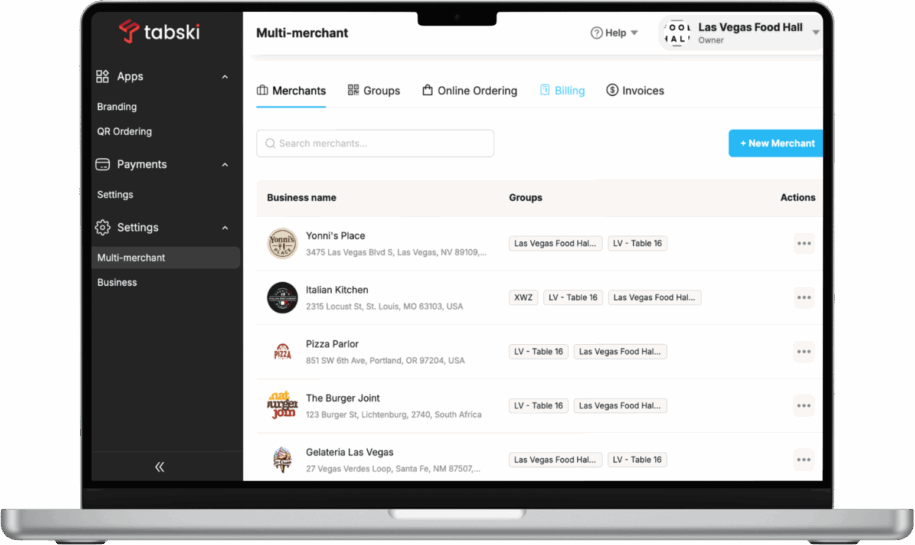
Food hall operators know the pain of rent collection: tracking tenant sales, generating invoices, chasing payments, reconciling deposits, handling failed transfers, and fielding the same questions every month.
Tenants feel it too—especially when rent is due in a large lump sum. Even strong vendors can get squeezed by inventory cycles, payroll timing, and seasonal traffic swings.
There’s a better way: automated rent collection based on a fixed percentage of daily sales, with clear invoice status visibility for both tenants and landlords.
That’s exactly what Tabski’s Automated Rent Collection is built to do.
The Traditional Rent Collection Problem
Most food halls are forced into one of two workflows:
- Manual invoicing + monthly collection (time-consuming, error-prone, and often late)
- End-of-month true-ups that turn into disputes because sales reports and calculations don’t match
The result is predictable:
- Operators spend too much time on back-office tasks.
- Tenants experience cash crunches.
- Turnover increases.
- Cash flow becomes inconsistent for the property.
And worst of all, it’s all preventable.
The Tabski Approach: Daily Remittance Based on a Fixed Percentage
Instead of rent being a monthly “event,” Tabski turns it into an automated daily process.
Here’s the model:
- A fixed rent percentage is set for each tenant.
- Each day, Tabski calculates rent based on that day’s sales.
- Tabski automatically remits the daily rent amount (no chasing, no manual steps).
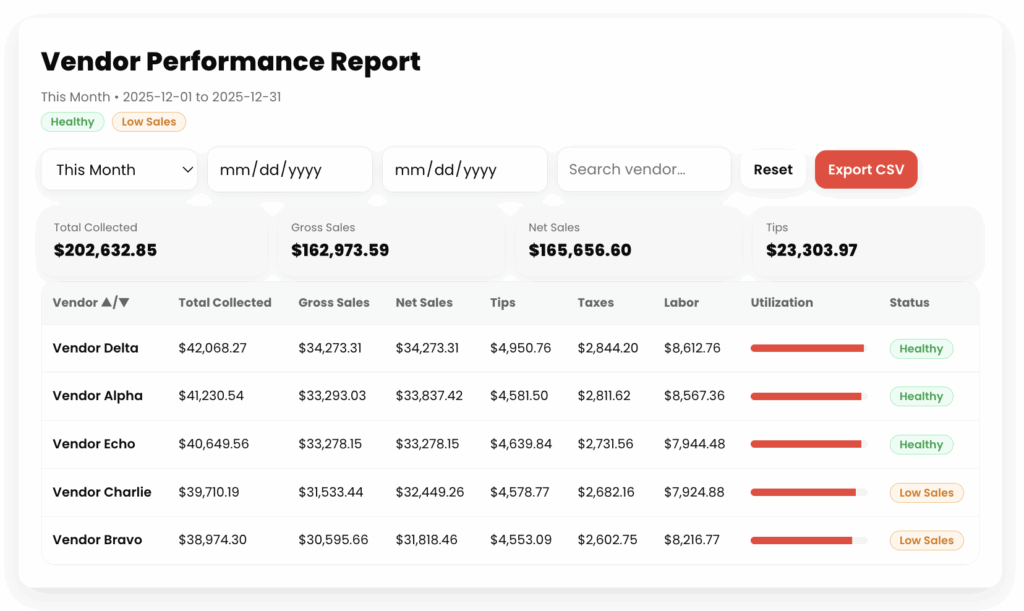
- Both parties see invoices and payment statuses in real time.
In short: Sales happen → rent is calculated → rent is remitted → status is visible.
Built-In Invoice Visibility (for Tenants and Landlords)
Tabski makes rent collection transparent by showing invoices with clear statuses—so nobody is guessing.
Statuses include:
- Pending — the invoice is generated and queued
- Successful — payment completed / remittance confirmed
- Failed — action needed (insufficient funds, bank reject, etc.)
That single layer of visibility reduces disputes, speeds up resolution, and eliminates “Did you get my payment?” conversations.
Why Daily Rent Collection Is Better for Tenants
Tenants don’t fail because their product is bad—they often fail because cash flow is tight.
Daily rent remittance helps because:
Better cash flow management
Instead of paying one large amount at the end of the month, tenants pay rent gradually as revenue comes in.
Fewer surprises
Rent becomes predictable and proportional to performance—making it easier to plan labor, inventory, and staffing.
Less stress, lower turnover
When rent doesn’t hit like a hammer, vendors stay longer. Less churn means better occupancy stability and fewer onboarding cycles.
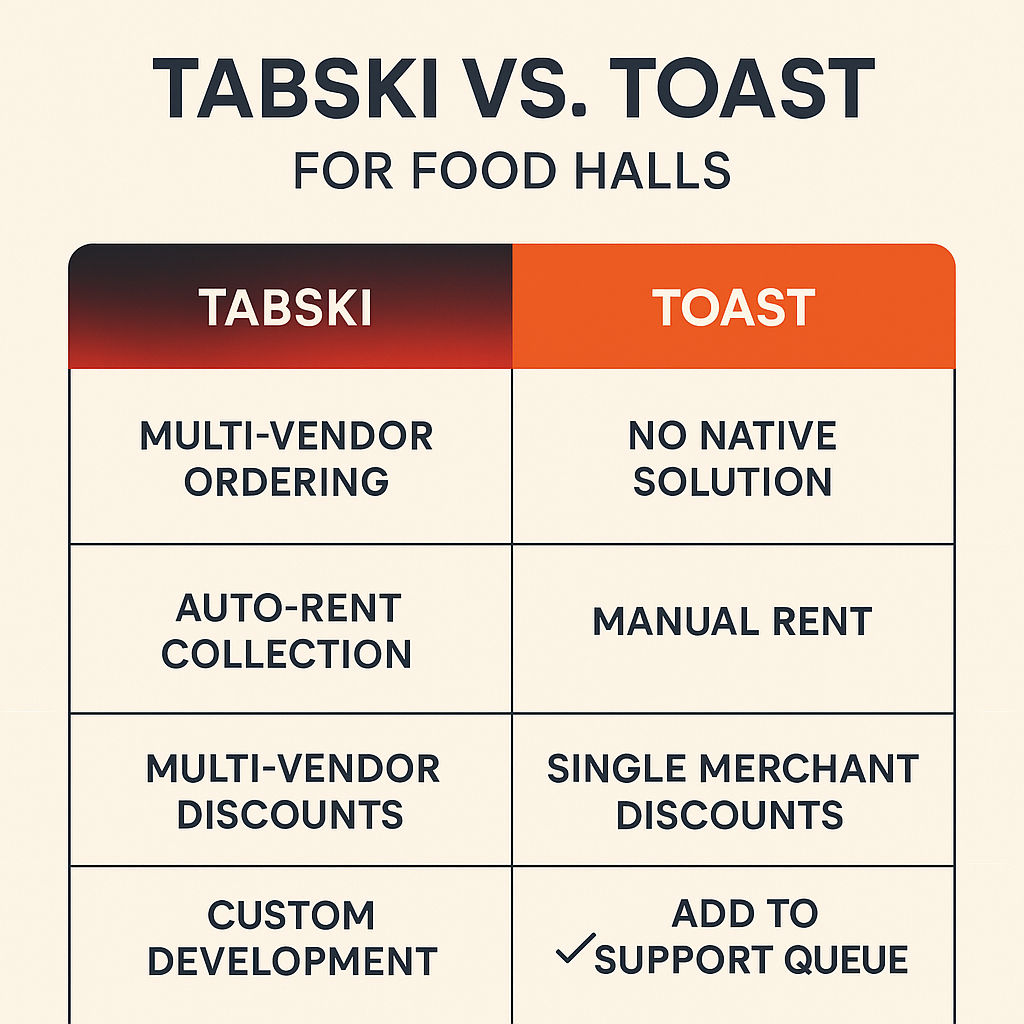
Why It’s Better for Food Hall Operators and Landlords
For operators, the wins are immediate and measurable:
Improved property cash flow
Rent isn’t delayed to “whenever tenants pay.” It flows steadily and predictably.
Reduced admin workload
Tabski replaces spreadsheets, manual invoicing, follow-ups, reconciliation, and payment tracking.
Cleaner reporting and fewer disputes
Since the system records invoice status and remittance history, questions get answered quickly—with data.
Better tenant stability
Lower turnover means fewer vacant stalls, fewer vendor transitions, and a better guest experience.
The Real ROI: Less Busywork + More Stable Tenants
The hidden cost of manual rent collection isn’t just time—it’s turnover risk.
When operators reduce friction, tenants win.
When tenants win, the food hall wins.
Daily remittance creates alignment:
- Tenants pay rent in a way that matches how they earn revenue.
- Operators get consistent inflows and drastically fewer headaches.
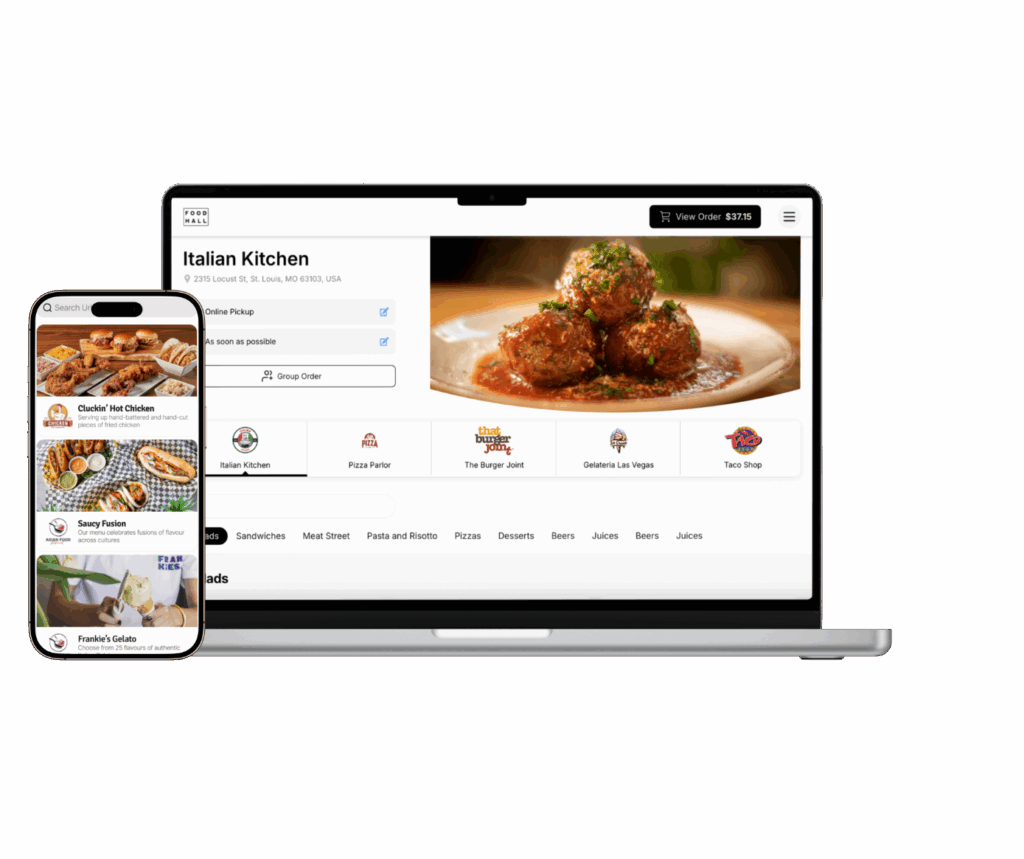
Want to See Tabski’s Automated Rent Collection in Action?
Tabski’s Automated Rent Collection is designed specifically for food halls and multi-merchant environments—where rent needs to be fair, transparent, and easy to manage.
If you want a quick walkthrough, we’ll show you:
- Daily remittance based on fixed % rent
- Invoice status views (tenant + landlord)
- Pending / Successful / Failed workflows
- How it reduces turnover and admin work