
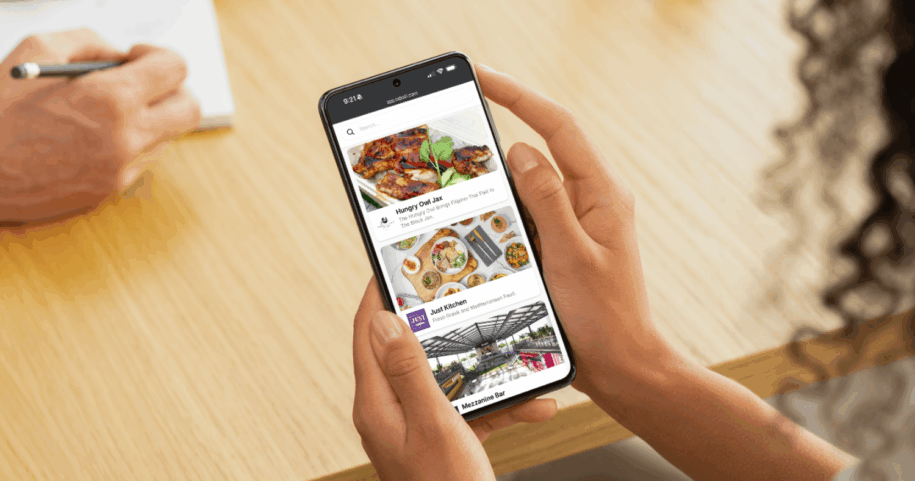
If you operate a food hall, the New Year is more than a calendar change, it’s a strategic reset.
Consumer expectations are higher than ever. Labor is tighter. Margins are thinner. And outdated POS systems are quietly costing food hall operators hundreds of thousands per year in lost efficiency, missed revenue, and operational chaos.
In 2026, successful food halls aren’t just adding vendors, they’re upgrading their entire technology stack.
This guide breaks down why food halls are upgrading their POS, what to look for in a modern food hall POS system, and how the right platform can future-proof your operation.
Why Traditional POS Systems Fail Food Halls
Most legacy POS systems were built for single-merchant restaurants, not complex, multi-vendor environments.
Food halls face unique challenges:
- Multiple kitchens, bars, and concepts under one roof
- Shared seating with decentralized menus
- Split settlements and rent calculations
- QR and mobile ordering demand
- Bar tabs + food syncing
- Operator-level reporting across all vendors
Trying to force a traditional POS into a food hall is like using a cash register to run an airport.
Common Pain Points Food Hall Operators Face
- ❌ Manual rent calculations
- ❌ No true multi-merchant routing
- ❌ Separate systems for counter orders, QR, and bar tabs
- ❌ Poor vendor-level reporting
- ❌ Slow onboarding for new tenants
If you’re duct-taping systems together, your POS is holding you back.
The Rise of Purpose-Built Food Hall POS Systems
In 2026, operators are moving away from “general restaurant POS” and toward food hall-specific platforms designed for complexity.
Unlike generic systems such as Toast or Square, purpose-built food hall POS platforms are designed from the ground up for:
- Multi-vendor ordering
- Centralized guest experience
- Automated financial workflows
- Operator-level visibility
This shift isn’t optional anymore, it’s becoming a competitive requirement.
4
What a Modern Food Hall POS Must Support in 2026
If you’re evaluating a POS upgrade this year, your system should support all of the following out of the box:
1. True Multi-Vendor Ordering
Guests should be able to:
- Order from multiple vendors in a single transaction
- Mix food + drinks + desserts seamlessly
- Pay once, not per vendor
Behind the scenes, funds must route correctly to each merchant automatically.
2. QR, Mobile, and Online Ordering, Unified
Food halls should never run:
- One system for counter orders
- Another for QR codes
- Another for bar tabs
A modern POS unifies all ordering channels into a single platform with one menu, one KDS flow, and one reporting engine.
3. Automated Rent & Revenue Splits
Food hall operators are moving away from flat rent and toward:
- Percentage-based rent
- Hybrid rent models
- Platform fee sharing
Your POS should automatically:
- Track gross & net sales per vendor
- Calculate rent daily
- Generate settlement reports without spreadsheets
4. Operator-Level Reporting (Not Just Vendor Reports)
You shouldn’t need 10 logins and 5 exports to understand your business.
Look for:
- Sales by vendor, bar, and concept
- Digital vs in-person adoption
- Peak ordering times
- Menu performance across the hall
Data clarity = better leasing, pricing, and staffing decisions.
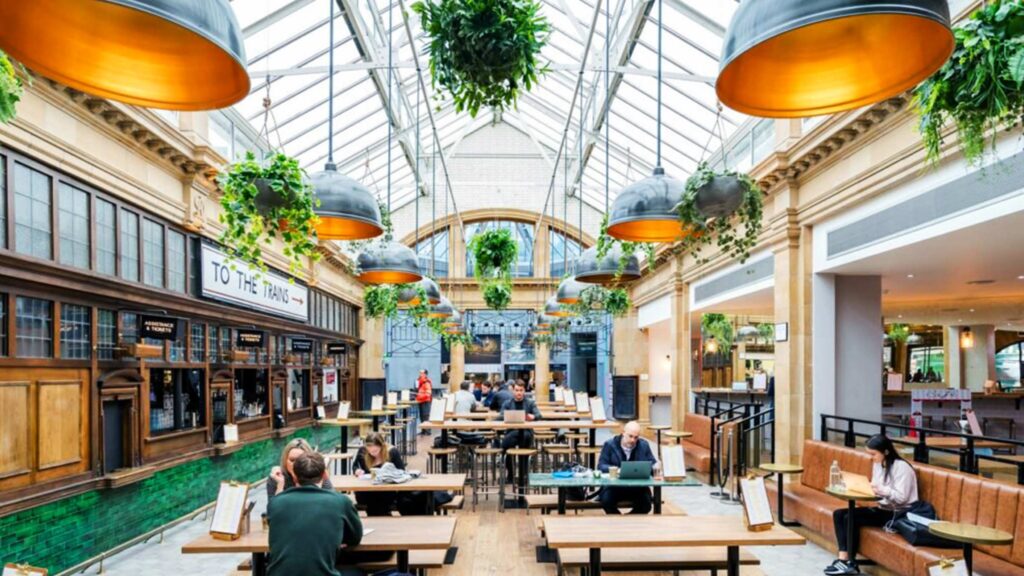
Why Food Halls Are Switching POS at the Start of the Year
January is the most common time food halls upgrade their POS because:
- 📊 Clean financial year reset
- 🧾 Easier accounting transitions
- 🏗️ Renovations & vendor turnover
- 📈 Planning for peak spring/summer traffic
Upgrading mid-year creates friction. Starting fresh creates momentum.
The Competitive Advantage of the Right POS
Food halls using purpose-built POS platforms consistently see:
- 15–30% higher digital ordering adoption
- Faster lines & table turnover
- Lower labor dependency
- Happier vendors (and easier leasing)
- Stronger NOI for operators
In a crowded market, experience is the differentiator — and POS is the foundation of that experience.
Why Food Hall Operators Are Choosing Tabski
Food hall operators are switching to Tabski because it’s not a retrofitted restaurant POS — it’s purpose-built for multi-vendor environments.
Tabski supports:
- Multi-vendor checkout in one transaction
- QR, mobile, bar, and online ordering in one system
- Automated rent & settlement workflows
- Operator-first reporting dashboards
- Scalable onboarding for new vendors
No workarounds. No spreadsheets. No duct tape.
Final Thoughts: Don’t Carry Old Tech Into a New Year
If your food hall is still operating on:
- Manual reports
- Disconnected systems
- Vendor complaints
- Guest friction
Then your POS is no longer “good enough.”
2026 is the year food halls stop settling for restaurant tech and start using food hall tech.
Ready to Upgrade Your Food Hall POS?
If you’re planning upgrades this year, now is the time to evaluate a platform designed specifically for multi-vendor operations.
👉 Book a demo and see what a modern food hall POS looks like in action.