
And why the most successful operators are rethinking technology, not tenants
Food halls are entering a new phase. In 2026, success won’t come from adding more vendors or prettier signage—it will come from operational leverage. The best food hall operators are focused on increasing NOI, reducing friction for tenants, and creating experiences that scale without adding overhead.
Here are five high-impact moves food hall operators can make in 2026, all centered around one idea: running the food hall like a single, unified business instead of a collection of disconnected restaurants.
1. Automate Rent Collection (and Fix Cash Flow for Good)
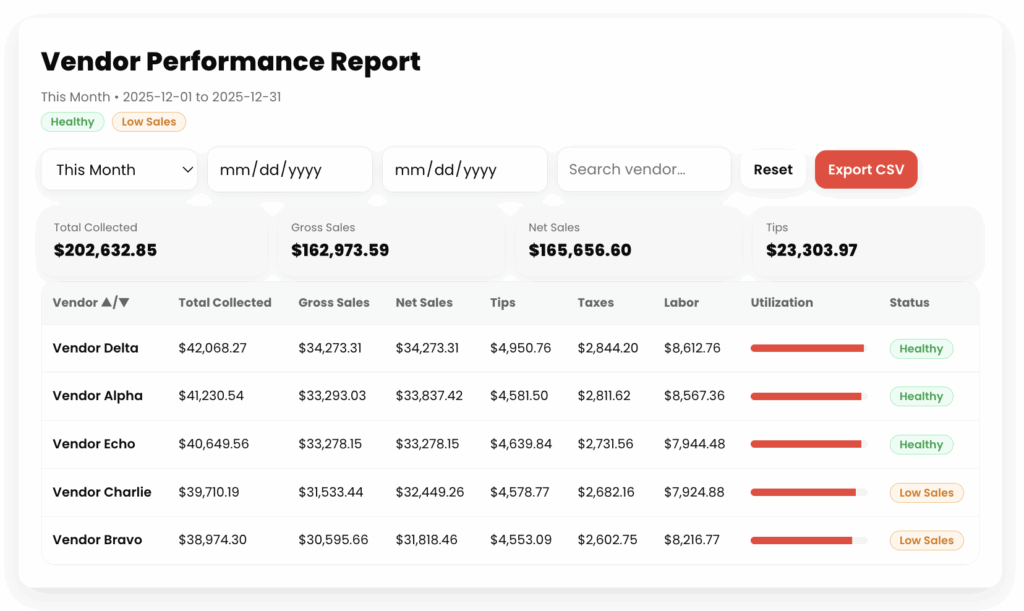
Traditional rent collection is one of the biggest hidden inefficiencies in food halls. Monthly invoices, delayed payments, manual reconciliation, awkward conversations, it all adds up.
In 2026, the smartest operators are switching to automated daily rent collection tied directly to sales.
Why this matters:
- Predictable, daily cash flow for operators
- Less financial pressure on tenants during slow weeks
- Zero manual invoicing or collections
- Instant visibility into tenant performance
With Tabski’s Automated Rent, rent is calculated and collected automatically based on each tenant’s actual sales—daily. Operators get paid faster, tenants get flexibility, and everyone operates with transparency.
Result: higher tenant retention and stronger NOI without raising rent.
2. Enable True Multi-Vendor Ordering (One Cart, One Checkout)
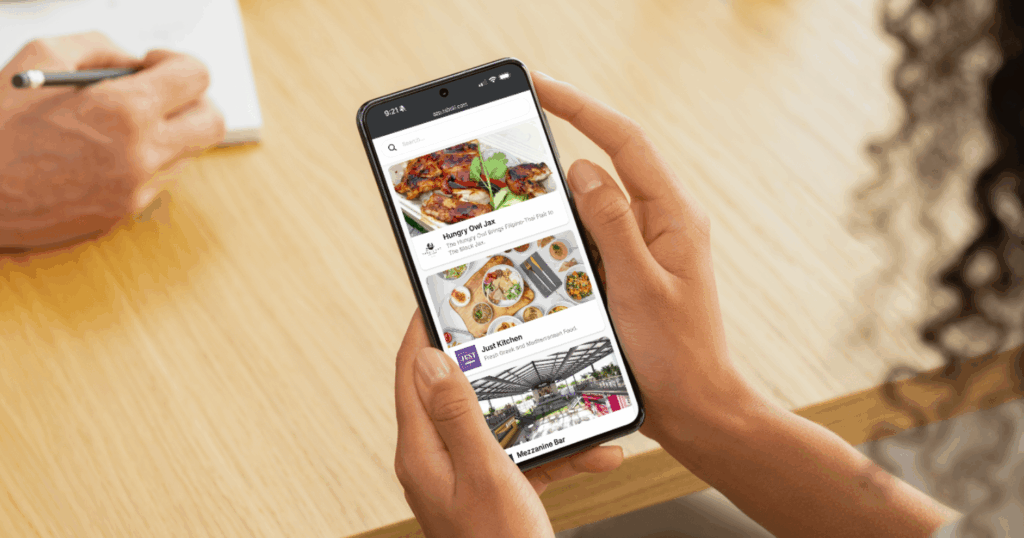
Lines kill throughput. Multiple checkout points kill conversion. In 2026, food halls that still force guests to order from one vendor at a time will feel outdated.
Modern food halls allow guests to:
- Order from multiple vendors in one transaction
- Use QR codes, mobile, or online ordering
- Pay once, tip once, and enjoy the space
Tabski’s multi-vendor ordering treats the entire food hall as one digital storefront while still routing orders, payments, and reporting correctly to each tenant.
The upside:
- Higher average ticket sizes
- Faster ordering during peak hours
- Better guest experience (especially for families & groups)
- Increased sales without expanding square footage
This is one of the fastest ways to grow top-line revenue without adding labor.
3. Unify POS, Payments, and Reconciliation Across the Entire Hall

One of the biggest mistakes food halls make is letting every tenant choose a different POS system. The result?
Disconnected data, manual reporting, and zero real-time insight.
In 2026, food halls should operate on one unified commerce platform.
With Tabski:
- All tenants run on the same POS infrastructure
- Operators get real-time, hall-level reporting
- Sales, tips, taxes, fees, and rent reconcile automatically
- No more chasing spreadsheets or nightly exports
What this unlocks:
- Faster financial closes
- Cleaner accounting
- Easier onboarding for new tenants
- Data-driven decisions at the operator level
Unified POS isn’t about control—it’s about clarity.
4. Partner With Surrounding Buildings to Offer Free Delivery
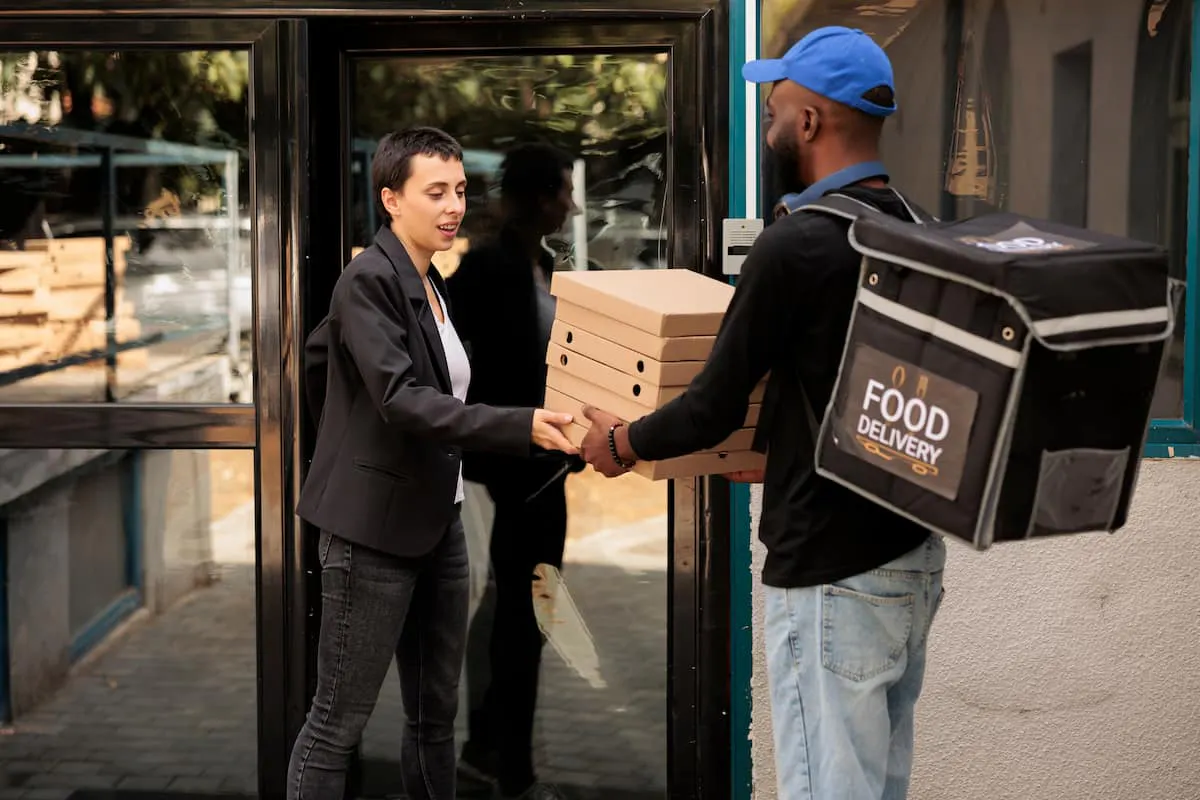
Your food hall has customers within a 5-minute radius—office buildings, apartments, hotels, hospitals, universities. Most food halls barely tap this demand.
In 2026, high-performing food halls are:
- Partnering with nearby buildings
- Offering free or low-cost delivery
- Using in-house ordering instead of third-party apps
Tabski makes this possible by enabling direct ordering and delivery without marketplace commissions.
Why this is powerful:
- Incremental revenue with minimal marketing spend
- No 20–30% third-party delivery fees
- Stronger relationships with local employers & property managers
- A reason for tenants to stay and grow
Food halls that think beyond their four walls win.
5. Treat Your Food Hall Like a Platform, Not a Property

The biggest mindset shift heading into 2026 is this:
food halls are platforms, not just real estate.
That means:
- Centralized technology
- Shared services for tenants
- Standardized onboarding and operations
- Data as a competitive advantage
Tabski was built specifically for this model—supporting:
- Multi-vendor POS
- Unified payments
- Automated rent & settlements
- Digital ordering across QR, mobile, and online
- Operator-level reporting and controls
Food halls that operate like platforms scale faster, retain tenants longer, and command stronger valuations.
Final Thought: 2026 Is the Year of Operational Leverage
You don’t need more vendors.
You don’t need more square footage.
You need better systems.
Food halls using Tabski aren’t just modernizing technology—they’re redesigning how food halls operate, grow, and profit.
Ready to Upgrade Your Food Hall for 2026?
👉 Learn how Tabski helps food halls increase NOI, improve tenant retention, and simplify operations
Visit: https://tabski.com