
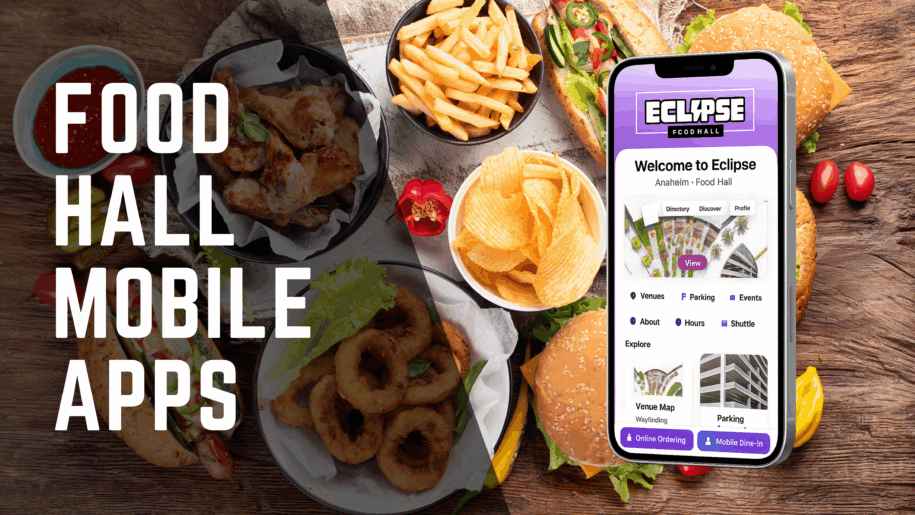
Food halls continue to grow as one of the most popular formats in modern dining. These spaces combine local food concepts, bars, retail, entertainment, and community driven programming under one roof. As the model matures, operators are looking for technology that keeps guests engaged and vendors successful. One of the most effective tools is a fully branded food hall mobile app.
A mobile app gives guests a single place to explore vendors, find amenities, navigate the layout, and place orders for dine in, pickup, or delivery. It also provides operators with stronger control over the digital experience and creates new revenue opportunities. As more halls compete for attention, those that invest in unified technology often outperform facilities that rely only on signage and third party apps.
For operators exploring food hall specific technology, the Tabski Food Hall POS platform provides a centralized system built for multi vendor ordering, rent automation, and guest experience tools. This gives food halls a direct path to launching a native mobile app without stitching together separate products.
Why a Food Hall Mobile App Matters
A food hall is a unique type of venue. It operates like a mix of restaurant, mall, and entertainment center. With so many moving parts, guests benefit from a single destination for menus, vendor profiles, wayfinding, amenities, events, promotions, and ordering.
A dedicated app also allows a food hall to create a consistent branded experience. This strengthens loyalty and sets the venue apart from traditional food courts and retail developments. Because guests interact with multiple vendors in one visit, a native app helps them explore more options and shorten the time they spend searching for basic information.
Key Features That Improve the Guest Experience
Vendor discovery is one of the strongest use cases for a food hall app. New visitors can quickly browse concepts, see cuisine types, filter by dietary preferences, and explore menus before committing to a line. This increases vendor visibility, especially for smaller or newer stalls.
Maps and wayfinding allow guests to move confidently through the building. A map can highlight vendors, bathrooms, bars, entertainment spaces, exits, retail shops, patios, and kids areas. This reduces frustration and improves flow during peak periods.
Amenities listings give guests clarity about what the facility offers beyond food. This can include parking guidance, coworking areas, event rooms, outdoor seating, live music zones, and seasonal features.
Digital ordering is the most powerful revenue driver. Food halls can offer dine in ordering through table based QR codes, pickup ordering for guests who want to skip lines, and delivery ordering through marketplace integrations or internal couriers. When combined with the Tabski Digital Ordering system, food halls can support multi vendor ordering in a single cart while automatically routing orders to the correct stalls.
Event and programming visibility helps operators promote live music, themed nights, trivia, vendor pop ups, and weekend markets. Push notifications through the app are an effective tool for increasing repeat visits.
Guest accounts and loyalty programs make it easy for visitors to save payment methods, earn rewards, view order history, and reorder favorites. This reduces friction and strengthens ongoing engagement.
Operational Advantages for Food Hall Management
A mobile app delivers benefits far beyond convenience. Operators gain a stronger level of control over the digital infrastructure of the building. This includes menu accuracy, vendor exposure, event promotion, and routing of orders.
When paired with a system designed for multi vendor venues, such as the Tabski Food Hall POS platform, operators can automate complex tasks that normally require manual work. These include rent collection based on sales, vendor payouts, consolidated reporting, and cross vendor checkout experiences. A mobile app becomes even more powerful when it is connected directly to the point of sale, kitchen display systems, and printers.
By consolidating guest traffic into an owned digital channel, food halls also reduce their reliance on third party delivery marketplaces. Instead of sending guests to different apps for each vendor, the hall can offer a unified ordering experience that keeps the customer relationship in house.
How Mobile Apps Increase Vendor Sales
Vendors inside a food hall benefit significantly from a shared mobile app. New concepts gain exposure through categories, images, featured sections, and maps. Guests are more likely to browse multiple vendors and try dishes from different stalls when everything is laid out clearly in the app.
Digital ordering increases volume during peak times because it removes the bottleneck created by long lines. Guests can order directly from their table and avoid waiting in front of stalls. This increases throughput and helps vendors operate more efficiently with smaller teams.
Multi vendor ordering is another major advantage. Rather than choosing only one stall, guests can add items from several vendors into a single cart. When powered by a system like Tabski Digital Ordering, the app automatically splits orders to the correct kitchens and maintains a seamless checkout experience.

What It Costs to Build a Food Hall App
The cost of developing a food hall app depends on several factors. These include the number of vendors, the complexity of the map, level of customization, ordering modes, loyalty features, event listings, and integrations with the existing technology stack.
Food halls typically fall into three categories when planning a mobile app. Some start with a basic ordering focused app. Others opt for a mid level approach that includes vendors, maps, parking information, and ordering. More advanced halls choose a fully featured ecosystem that includes loyalty, event modules, multi location support, and advanced analytics.
For operators exploring technology options, the Tabski Mobile App platform provides a clear path to custom development while leveraging the core infrastructure already built for multi vendor environments. This avoids the cost of building everything from scratch.
How to Get a Quote for a Custom Food Hall App
A quote can be generated quickly with a few pieces of information. Operators usually provide the number of vendors, whether a map is required, the layout of amenities and parking, branding requirements, and the ordering modes they want to support. From there, a development team can outline a project scope that aligns with the hall’s needs.
Food halls exploring options can request more information through the Tabski Food Hall POS page, which includes examples, features, and details on native app development for multi vendor facilities. This is the most direct way to understand pricing, timelines, and available features.
Conclusion
Mobile apps are becoming part of the essential infrastructure for modern food halls. They create a unified guest experience, strengthen vendor performance, simplify operations, and provide a direct digital channel for marketing and engagement. As the food hall model continues to expand across the country, operators who embrace mobile technology early will have a clear advantage in both guest satisfaction and vendor success.
Those interested in exploring custom app development, multi vendor ordering, or rent automation can learn more through the Tabski Food Hall POS page and the Tabski Digital Ordering platform. Both tools are built specifically for food halls and provide the foundation needed for a successful native app.