
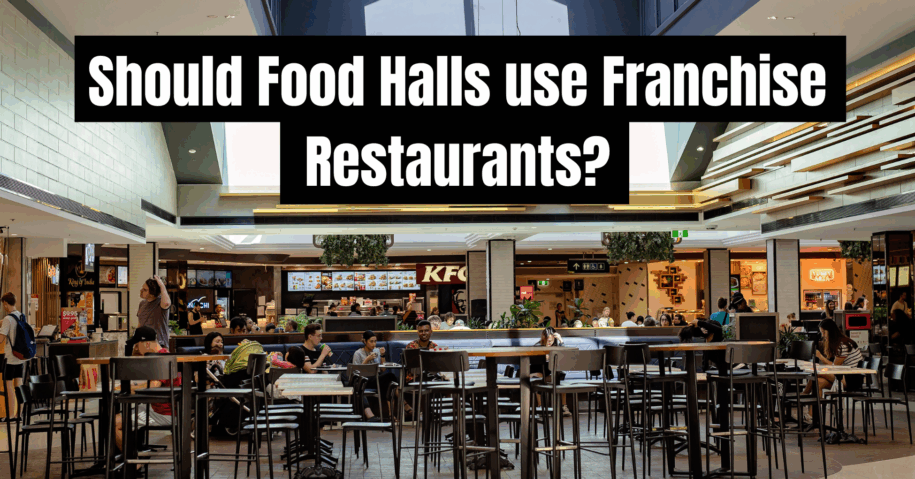
As food halls continue to shape the future of urban dining, a common question arises among developers and operators: Should food halls lease stalls to franchise restaurants?
At first glance, bringing in a recognizable franchise may seem like a logical move. Franchises have established names, marketing support, and predictable operating models. Yet what makes a food hall special is not predictability—it is personality, authenticity, and local connection.
Food halls succeed when they celebrate independent chefs and community-driven concepts that tell the story of the neighborhood. Franchise tenants, while convenient, often weaken that story. From complicated technology requirements to diluted brand identity, their presence can disrupt both operations and the cultural soul of a food hall.
Below, we explore why food halls should think carefully before partnering with franchise restaurants and why the strongest long-term strategy may be to focus on local culinary talent instead.
1. A Unified Tech Stack Simplifies Operations
Food halls thrive on efficiency and consistency. When every tenant operates on a shared point of sale and reporting system, management becomes streamlined. Daily rent percentages, unified analytics, and multi-vendor ordering all work in harmony.
Franchise tenants often require their own corporate mandated technology stack, from POS systems to loyalty apps. This immediately disrupts uniformity. Fragmented technology creates data silos, inconsistent reports, and manual workarounds for rent collection.
In contrast, unified platforms such as Tabski’s Food Hall Point of Sale make it possible to automate financial flows, centralize menu management, and offer seamless guest experiences across every vendor. Operational simplicity translates to stronger profits and happier tenants.
2. Local Anchor Tenants Build Identity and Community
Every great food hall has an identity, and that identity is shaped by its tenants. A James Beard recognized chef, a beloved local bakery, or a neighborhood barbecue joint can all become anchor tenants that bring character and credibility.
Franchises rarely offer that same authenticity. Their menus and branding are standardized to fit national expectations. Guests may enjoy the familiarity, but they lose the discovery that food halls are known for.
Local anchors, on the other hand, give guests a reason to return and bring others. They create excitement, tell stories, and reflect the culture of the community. That authenticity turns a food hall into a destination rather than a collection of familiar logos.
3. Building a Stronger Local Ecosystem
Franchise restaurants operate on a model that sends royalties and marketing fees out of the local economy. Local chefs reinvest directly in the community. They hire neighborhood staff, buy from regional suppliers, and collaborate with other small businesses.
When a food hall prioritizes local talent, it becomes a hub for growth, a place where culinary entrepreneurs can start small, refine their concept, and eventually scale. That success feeds back into the food hall’s reputation, attracting new visitors and media coverage.
The result is an ecosystem that grows stronger over time, rather than a transient lineup of replicated concepts.
4. Flexibility and Creative Collaboration
Franchise tenants must follow corporate rules. They have fixed hours, approved suppliers, and strict marketing guidelines. Local operators, by contrast, are nimble and collaborative. They can adjust their menu to match customer trends, participate in shared promotions, or test out cross-vendor specials.
This flexibility keeps the food hall experience fresh. Guests are drawn to evolving menus, seasonal events, and chef collaborations. Franchise models limit that freedom.
When operators partner with independent vendors who share a unified tech stack like Tabski’s Food Hall Point of Sale, they gain the flexibility to experiment while maintaining order behind the scenes.
| Local Restaurants | Franchise Restaurants |
|---|---|
| ✔ Build authentic community connections and reflect local culture | ✖ Corporate-focused brands lack neighborhood connection |
| ✔ Create a unique identity that differentiates the food hall | ✖ Feels repetitive across cities and shopping centers |
| ✔ Collaborate easily with other vendors on pop-ups and events | ✖ Restricted by franchise guidelines and marketing rules |
| ✔ Offer menu flexibility and seasonal creativity | ✖ Must follow strict corporate menu and pricing structures |
| ✔ Support the local economy through local hiring and sourcing | ✖ Royalties and fees flow to corporate headquarters |
| ✔ Generate organic buzz and local media coverage | ✖ Depend on paid advertising for awareness |
| ✔ Attract returning guests who value authenticity | ✖ Initial novelty fades quickly after opening |
| ✔ Foster long-term loyalty and word-of-mouth marketing | ✖ Viewed as impersonal and interchangeable |
| ✔ Compatible with unified tech stacks like Tabski’s Food Hall POS | ✖ Require corporate-approved systems that break hall-wide integration |
| ✔ Can evolve with trends and guest feedback | ✖ Rigid processes slow innovation |
| ✔ Strengthen the city’s culinary reputation and attract tourism | ✖ Offer nothing new to the city’s food scene |
Verdict: Local restaurants may come with more risk at launch, but they build stronger brand equity, richer guest experiences, and long-term community loyalty. Food halls that lean local—and power their operations with Tabski’s Food Hall Point of Sale—create destinations that stand the test of time.
5. Innovation Over Standardization
Food halls were never meant to feel like malls. They were designed to showcase creativity, diversity, and risk taking. Independent chefs bring innovation, new flavors, fusion dishes, and unexpected pairings that keep guests intrigued.
Franchises operate on predictability. Their recipes, portion sizes, and pricing are dictated by corporate guidelines. Innovation is limited because any menu change must go through approval processes.
For a food hall, that rigidity stifles the creative energy that makes these spaces thrive. Innovation and curiosity are the lifeblood of repeat traffic.
6. Long Term Brand Equity
Food halls with strong local lineups often enjoy deeper community loyalty. Guests identify the hall as a local institution, not a commercial development. That loyalty compounds over time, driving consistent traffic even when new competition arises.
Franchise heavy food halls may see short term traffic from brand recognition but lose relevance quickly once the novelty fades. Consumers can find those same brands elsewhere. What they cannot find elsewhere is a food hall that feels genuinely local.
Long term brand equity comes from being irreplaceable, and that is something only local operators can deliver.
7. Technology That Supports Local Growth
One of the challenges of working with multiple independent vendors is managing their operations effectively. That is where specialized systems like Tabski’s Food Hall Point of Sale come in.
Tabski helps operators:
- Automate rent collection based on daily sales percentages
- Enable guests to order from multiple vendors in a single cart
- Centralize reporting and analytics across all tenants
- Maintain payment independence for each vendor
This kind of infrastructure allows food halls to operate at the same level of efficiency as a franchise system without losing the local flavor that makes them special.
Conclusion
So, should food halls use franchise restaurants? The short answer is no, at least not as a foundation.
While franchises offer predictability, they often come at the expense of authenticity, community connection, and operational harmony. The most successful food halls are those that embrace their city’s personality, spotlight local chefs, and use modern unified technology to bring everything together.
Franchises bring familiarity, but local operators bring energy, innovation, and loyalty. For food halls that want to build something lasting, the choice is clear.
To learn how the right technology can unify your tenants and streamline operations, visit Tabski’s Food Hall Point of Sale.