
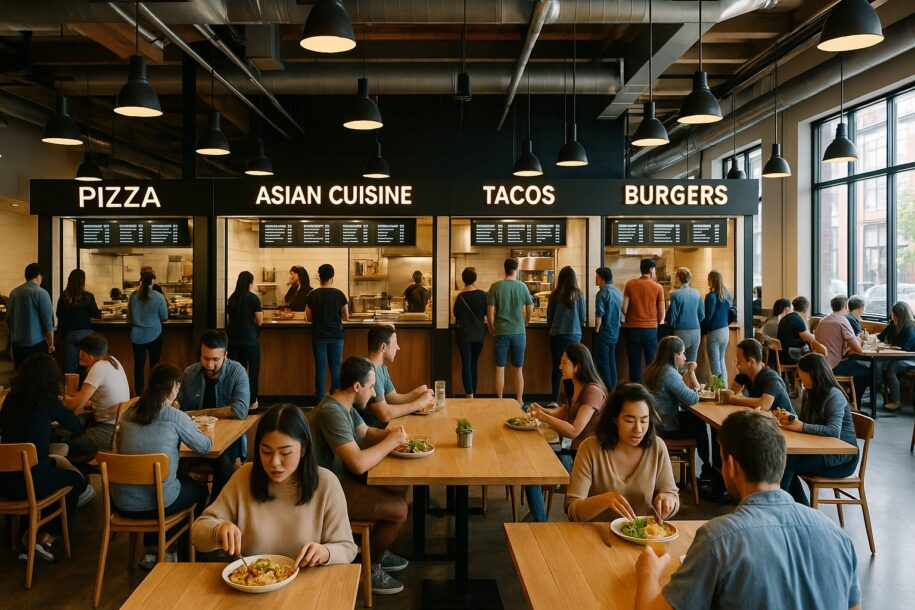
Vendor churn is one of the most expensive and disruptive problems a food hall can face. When a tenant struggles quietly, the impact goes far beyond a single stall. Empty bays reduce foot traffic, hurt guest experience, slow momentum for surrounding vendors, and ultimately lower NOI per square foot.
The most successful food hall operators do not wait for tenants to fail. They use real-time data, automated financial controls, and unified systems to identify issues early and intervene before churn becomes inevitable.
Here is how modern food hall operators can proactively prevent vendor churn and spot struggling tenants fast, using the right technology and processes.
Why Vendor Churn Happens in Food Halls
Most vendor churn does not happen overnight. It builds slowly due to a lack of visibility and delayed action.
Common causes include
• Inconsistent daily sales or shrinking average ticket
• Poor order throughput during peak hours
• Cash flow strain from weekly or monthly rent collection
• Rising labor or ingredient costs not reflected in pricing
• Lack of operational data shared between tenants and operators
In many food halls, tenants operate on isolated POS systems. Operators only see sales weeks later, if at all. By the time rent is missed or a vendor asks for concessions, the problem is already severe.
Identify Struggling Tenants Early with Unified Reporting
The fastest way to prevent vendor churn is visibility.
With unified food hall reporting, operators can monitor all tenants from a single dashboard instead of chasing spreadsheets from multiple POS systems.
Key signals to watch daily
• Declining gross sales or sharp week-over-week drops
• Lower order volume during peak lunch or dinner hours
• Decreasing average ticket size
• Menu items underperforming compared to similar vendors
• Inconsistent sales patterns tied to staffing or menu design
Tabski’s unified reporting gives operators real-time access to tenant performance across mobile ordering, POS orders, and online channels. This allows operators to identify struggling tenants before missed rent or staff cuts occur.
Early insight creates early intervention.
Automate Rent Collection Daily to Reduce Cash Flow Stress
One of the biggest drivers of vendor churn is cash flow timing.
Traditional food hall rent models rely on weekly or monthly manual reconciliation. Tenants are forced to hold cash for large rent payments, while operators wait weeks to collect revenue.
Automated daily rent collection changes that dynamic entirely.
With Tabski
• Rent is collected automatically as a percentage of daily gross sales
• Funds are deposited directly to the operator without manual reconciliation
• Tenants avoid large end-of-month rent shocks
• Operators maintain predictable cash flow tied to actual performance
Daily rent automation aligns incentives. When tenants are slow, rent scales naturally. When sales grow, operators benefit immediately. This structure dramatically reduces friction, late payments, and tenant burnout.
Improve Tenant Performance with Unified Ordering
Long lines and fragmented ordering systems hurt both vendors and guests.
In many food halls, guests abandon purchases because ordering from multiple vendors requires multiple lines, payments, or apps.
Tabski’s unified ordering experience allows guests to
• Scan a single QR code
• Order from multiple vendors in one cart
• Pay once
• Receive items without leaving their table
The result
• Higher average ticket sizes
• Faster throughput during peak hours
• More balanced order distribution across tenants
• Increased revenue without adding labor
For struggling tenants, unified ordering often provides an immediate lift without changing staffing or menu pricing.
Spot Operational Issues Beyond Sales Numbers
Sales alone do not tell the full story.
Tabski gives operators insight into
• Order pacing during rushes
• Menu item popularity and bottlenecks
• Channel mix between POS, QR, and online
• Vendor performance relative to similar concepts
This data allows operators to help tenants make smarter decisions around pricing, menu layout, and staffing. Instead of reactive conversations, operators can offer proactive guidance backed by data.
Build a Supportive Operator-Tenant Relationship
Food hall tenants are partners, not just renters.
Operators who share insights, automate financial friction, and help tenants grow build longer-lasting relationships and stronger communities.
When tenants feel supported rather than policed, churn drops dramatically.
Tabski enables that partnership by giving operators tools to
• Monitor performance in real time
• Automate rent fairly and transparently
• Improve guest experience across the hall
• Increase NOI per square foot without tenant burnout
The Bottom Line
Preventing vendor churn is not about replacing tenants faster. It is about helping the right tenants succeed longer.
Food hall operators who invest in unified reporting, automated rent collection, and seamless guest ordering create healthier ecosystems where vendors thrive and NOI grows sustainably.