
Food halls are booming, but for many developers, one part of the process remains consistently tricky: underwriting. Traditional lenders are comfortable with fixed rent rolls and anchor tenants—not dynamic, multi-vendor ecosystems with variable rent streams. The result? Friction during financing and delays in approvals.
The good news is, there’s a growing playbook for presenting food hall deals in a way that gives lenders confidence. Here are five key metrics that consistently move the needle in committee rooms.
1. Vendor Productivity (Sales per Stall)
The cornerstone of any food hall underwriting is how much each stall is expected to sell. Banks want predictable cash flow, and that starts with reliable vendor performance.
Benchmark: Most successful food halls underwrite between $750 – $1,200 per square foot annually for each stall, depending on concept mix and location. A balanced mix of high-volume concepts and slower specialty stalls helps smooth variability.
Tip: Present a vendor mix with sales comps from similar markets to make the numbers feel tangible.
2. Percentage Rent & Revenue Participation
Unlike traditional leases, food halls often rely on percentage rent structures—typically ranging between 15 – 30% of gross sales, depending on how much operational support the developer provides.
For lenders, clarity here is everything:
- What’s included in the percentage (e.g., utilities, shared staff, tech fees)?
- Are there minimum rent floors to stabilize cash flow?
- How will fluctuations in tenant sales affect debt service coverage?
Pro forma models that clearly show conservative, moderate, and upside scenarios go a long way.
3. Bar Mix & Centralized Revenue Streams
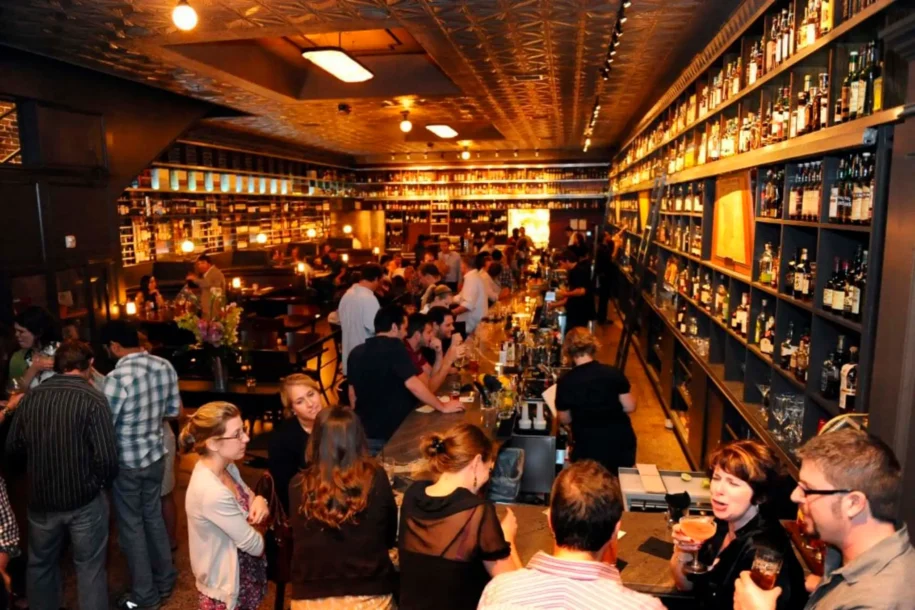
Most high-performing food halls operate a central bar that often generates 30–50% of total revenue. From a lender’s perspective, this is gold: one operator, one P&L, and a consistent margin.
Show how bar sales are projected relative to food sales. Highlight:
- Seating layout that drives bar traffic
- Hours of operation vs. vendor hours
- Average check and margin assumptions
This central revenue source often acts as the “anchor tenant” in underwriting.
4. Foot Traffic & Capture Rate
Traditional retail underwriting leans heavily on footfall data. Food halls are no different.
Developers who can show:
- Expected daily and weekly traffic (from nearby offices, residential, or attractions)
- Capture rates (how many of those people are likely to purchase)
- Seasonality adjustments
…build lender confidence fast. If you can back these numbers with mobile location data, even better.
5. Stabilization Timeline & Vendor Turnover Assumptions
Food halls rarely hit pro forma Day 1. Most take 12–24 months to stabilize, as vendor mix evolves and the community learns the space. Lenders want to know:
- How long until you expect to hit stabilized NOI
- What turnover assumptions you’ve modeled (e.g., 10–15% annually)
- Your plan to backfill underperforming stalls quickly
A thoughtful stabilization plan shows you’re realistic—not overly rosy.
Wrapping It Up
Underwriting a food hall doesn’t have to be a battle. By framing your project with clear, lender-friendly metrics, you can bridge the gap between dynamic vendor models and traditional financing structures.
Bonus: If you’d like a ready-to-use Food Hall Underwriting Checklist (Excel + PDF) that you can hand to your lender, book a quick demo with Tabski and we’ll send it over.