

Running a food hall on multiple disconnected POS systems can feel like juggling fire: fragmented data, inconsistent reporting, uneven guest experience, and constant reconciliation headaches. Operators want a unified platform, but the fear is real:
“How do we switch systems without disrupting service?”
The good news: You don’t need to shut down, and you don’t have to onboard every tenant at once.
With Tabski’s multi-vendor architecture, food halls can transition stall-by-stall, strategically, with zero downtime.
Here’s the proven method leading food halls use to unify their operations on Tabski fast, safely, and smoothly.
Phase 1: Pre-Launch Audit and Infrastructure Setup
Before a single order runs through Tabski, we perform a structured readiness check:
Hardware and Network Readiness
- Inspect WiFi coverage and ensure proper placement for terminals and KDS
- Stage and test POS terminals and printers
- Pre-configure menus, revenue centers, tax structures, and reporting settings
Merchant Account Setup
Each vendor receives their own merchant account (MID), ensuring:
- Payments flow directly to each tenant
- Daily deposits are accurate from day one
- Settlement never becomes a landlord burden
Rent and Fee Automation
We load in the food hall’s:
- Percentage rent rules
- Service charges
- ACH rent collection schedules
Automated split funding means no more manual chasing down totals.
Tabski is fully staged before a single stall goes live.
Phase 2: Launch 1–3 Stalls in a Controlled Rollout
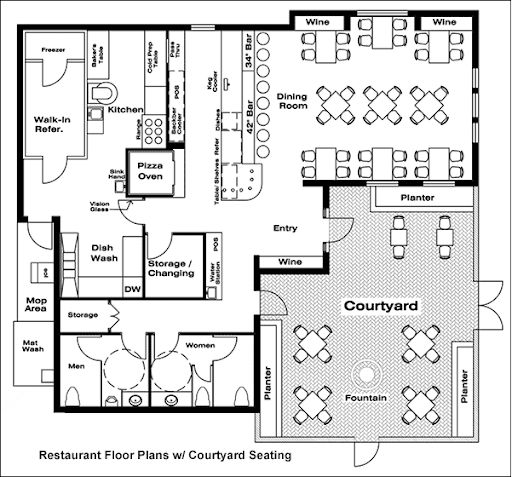
The first wave is intentionally small:
- One anchor vendor, or
- A cluster of 2–3 stalls
Why a phased start works:
- Low risk, high learning opportunity
- All workflows validated in real-time
- Kitchens and routing are tested under live ordering conditions
The rest of the hall continues using their existing systems without interruption.
During this period:
- Managers can view all orders in one Ops Dashboard
- Early adopters gain immediate mobile + QR ordering revenue
- The experience for guests stays clean and consistent
It’s the perfect balance of pace and precision.
Phase 3: Expand in Waves Until Fully Unified
Once the pilot stalls are thriving, rollouts accelerate.
A typical second wave includes:
- Two food vendors
- One bar
- One dessert kiosk
With menus already staged, installations often take under one hour per stall, typically during slow-dayparts like mid-afternoon.
No closures. No dead screens. No guest disruption.
Phase 4: Full Food Hall Unification and Vendor Alignment
Within days (not weeks), the entire food hall transitions — and the benefits show up immediately.
What becomes possible
- All order activity displayed in one system
- Real-time kitchen routing across all concepts
- Automated rent captured daily or weekly
- Consolidated delivery and mobile ordering
- Detailed settlement and net payout reporting
Everyone gains full transparency:
- Vendors trust the reporting
- Landlords eliminate administrative burden
- Guest experience becomes seamless and consistent
Phase 5: Turn On Advanced Food Hall Capabilities Only Tabski Offers
Once live across the hall, Tabski unlocks the systems that power true multi-vendor efficiency:
- Multi-vendor check ordering
- Shared tab ordering (one tab, many vendors)
- Unified loyalty, discounts, and promos
- Order throttling for peak kitchen load
- Comprehensive audit logs and financial history
- Multi-vendor gift cards with perfect settlement logic
This is where food halls feel the real difference between restaurant POS systems and a platform built specifically for shared-space hospitality.
Tabski’s Hardware Placement Program: Free POS for Tenants
One major reason transitions move quickly is we remove financial friction.
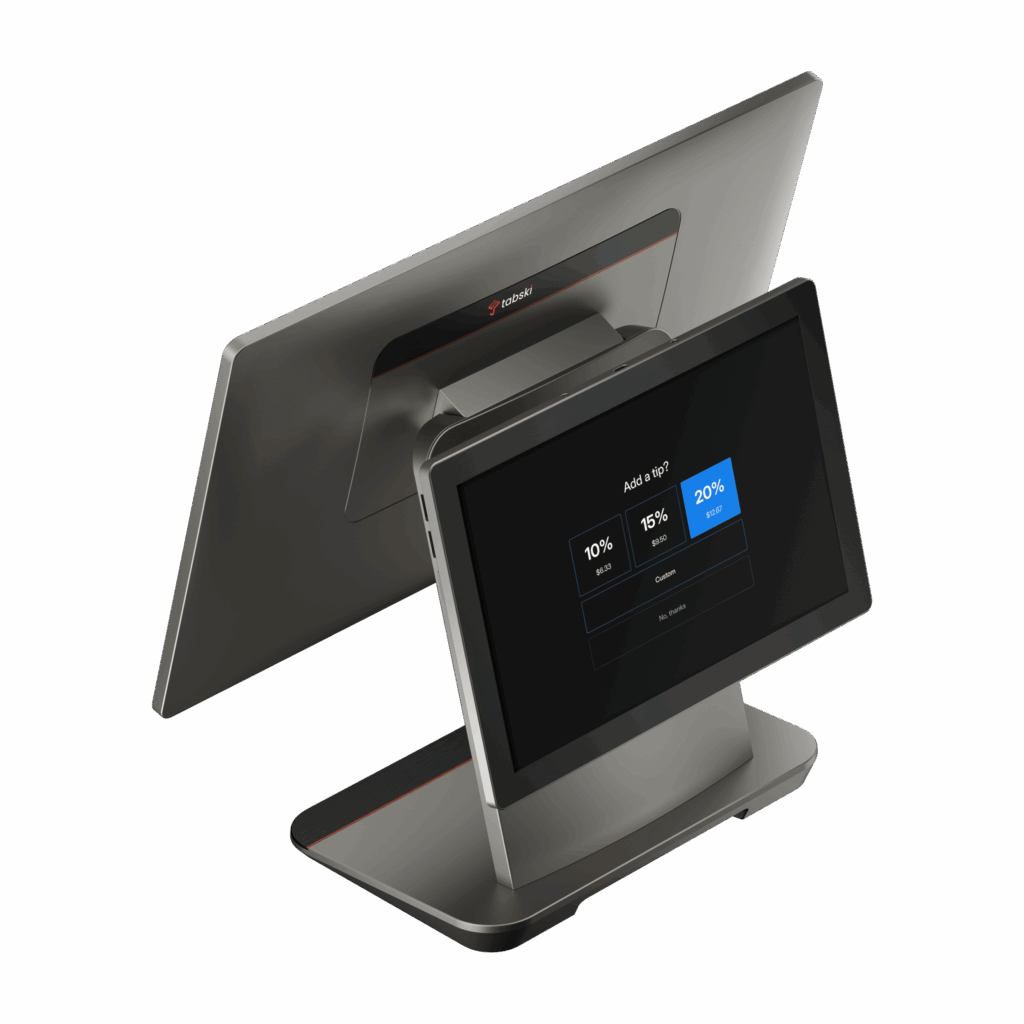
Tabski’s Hardware Placement Program provides every tenant:
- A modern Android POS terminal
- A cash drawer
- A receipt printer
- A Kitchen Display System (KDS)
- A kitchen printer if required
All provided with no upfront cost to the tenant.
This means:
- No capital barriers blocking adoption
- No mix of outdated hardware slowing operations
- A reliable, standardized technology environment across all stalls
Food hall operators love it because hardware consistency ensures:
- Cleaner installs
- Faster staff training
- Predictable long-term maintenance
Every tenant gets the technology they deserve — without writing a check.
Why Tabski Is the Only Zero-Downtime Path to a Unified POS
Tabski isn’t a generic restaurant POS trying to retrofit into a food hall environment.
It was engineered for:
- Multi-vendor routing
- Separate tenant merchant IDs
- Automated rent and settlement logic
- Centralized guest ordering
- Complex reporting, simplified
Instead of a risky “big bang” cutover, Tabski upgrades each stall while the entire hall continues operating like normal.
It’s like installing a new engine while the vehicle keeps driving.
The guests never even notice — but your vendors will feel the improvement immediately.
Ready for your transition plan?
If fragmented tech is holding back growth, Tabski delivers a clean transition and a stronger operational foundation.
Let’s map the exact phased rollout for your food hall.
Book your demo today at Tabski.com