
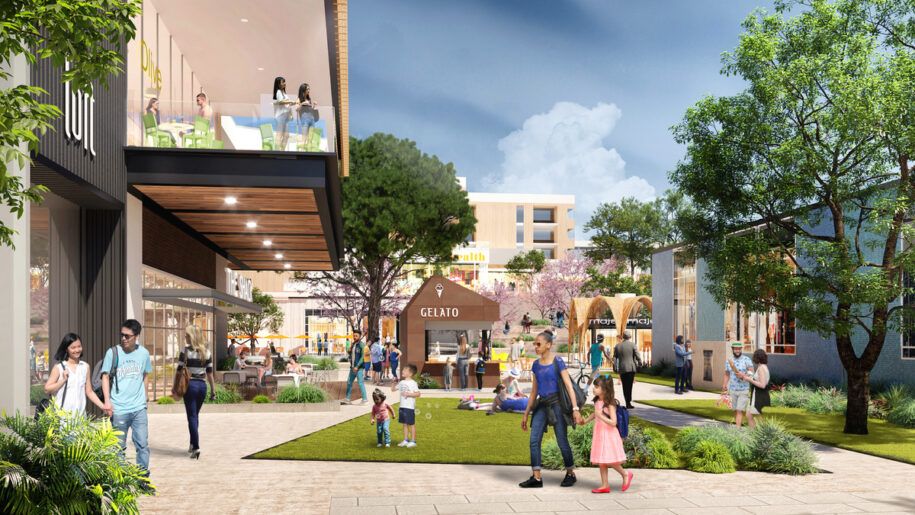
If you’re a real estate broker, asset manager or landlord of a property that houses multiple tenants, restaurants, retail concepts, food halls, or outdoor communal spaces, you already understand the value of driving foot traffic, keeping tenants thriving, and maximizing revenue per square foot.
Partnering with a technology platform like Tabski can help you do all three. It elevates the guest experience, boosts tenant sales, and adds new revenue streams for the property, all while positioning your space as modern and future ready.
Elevating the tenant mix and guest experience
By offering a digital ordering platform across your property, you:
- Help restaurants and retail tenants run more efficiently with less friction at the point of order and payment.
- Make it easier for guests to order, pay, and pick up — which increases dwell time and satisfaction.
- Enhance the overall perception of your property as innovative and tech enabled, making it easier to attract premium tenants and fill vacancies faster.
Monetizing the shared space beyond rent
Traditionally, property revenue is limited to rent, percentage rent, and events. A platform like Tabski changes that.
- It allows guests to order from anywhere in the venue, tables, patios, common areas, green spaces, or even the bathroom stalls — turning every part of the property into a revenue center.
- QR ordering lets guests browse all menus in one place, so they can mix and match across different vendors.
- With shared service fees or revenue share, property owners can capture a portion of this incremental spend.
- Overall, this drives higher sales per square foot and a more valuable asset.

Streamlined operations and future readiness
Digital ordering simplifies operations: fewer lines, faster service, and fewer staff bottlenecks. That means tenants can serve more guests with fewer resources.
The data collected from orders gives valuable insights into guest behavior, peak times, and product trends. Property owners can use that data to make better decisions about layout, tenant mix, and promotions.
And as guest expectations shift toward digital experiences, having this infrastructure in place makes your venue stand out to modern restaurant and retail concepts.
How digital ordering increases customer spending
Multiple studies have shown that digital and QR ordering increases guest spend.
- A study by the University of South Florida found that digital ordering leads to more indulgent and higher priced selections.
- Research from The Access Group showed venues using QR code ordering saw a 27 percent increase in average check size.
- Digital menus make it easier to upsell add ons, upgrades, and pairings — all of which lift average order value.
- With less waiting and more control, guests tend to order more frequently, stay longer, and come back sooner.
For property owners, this translates directly to higher tenant performance, stronger occupancy, and better long term asset value.
Turning every corner into a revenue center
Shared space environments like food halls, mixed use properties, and outdoor gathering areas are perfect for distributed ordering.
Distributed ordering nodes
Instead of limiting guests to ordering at counters, QR codes can be placed anywhere — on tables, patios, lounges, or benches. Guests can scan and order drinks or food without leaving their spot. This instantly converts unused corners into active revenue zones.
Aggregated menus and cross tenant offerings
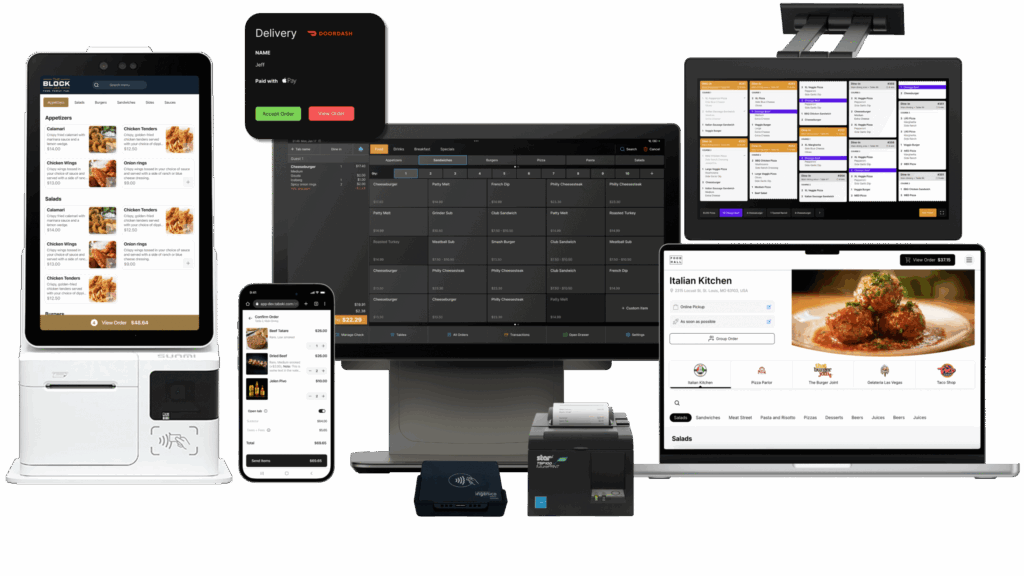
With Tabski, all menus are combined into one digital experience. Guests can order a drink from one tenant, a meal from another, and dessert from a third — all in one cart. This seamless experience drives larger tickets and more total venue revenue.
Upselling and micro moments
QR menus make it easy to promote specials, combos, or limited time items. Even guests relaxing in green spaces are one scan away from placing an order, increasing impulse purchases and total venue sales.
Data to optimize the property
Because digital ordering tracks where orders come from, you can see which zones perform best and adjust your layout or rent accordingly. The result is a smarter, more profitable property that uses data to guide decisions.
Why Tabski is the ideal partner
Tabski was built specifically for shared space environments like food halls, green space developments, and multi vendor retail areas.
- It supports multiple merchants under one unified ordering system.
- It allows guests to order from anywhere and combine vendors into one transaction.
- It provides robust data and analytics to understand guest behavior.
- It can be structured to share platform revenue or service fees with property owners.
For brokers and landlords, Tabski isn’t just a software tool — it’s a new layer of value for your tenants and your property.
Implementation checklist
- Audit your property and identify all guest areas where QR codes could generate orders.
- Align with tenants and explain how digital ordering benefits their business.
- Choose a platform that supports multi vendor operations and simple payment integration.
- Decide how revenue and fees will be shared between tenants and ownership.
- Design a mobile friendly, intuitive ordering experience with cross vendor menus.
- Place clear signage and QR codes in high dwell areas.
- Launch and promote the new system with in venue signage and social media.
- Use the data to analyze performance by location and make adjustments.
- Test promotions and time based offers to encourage more cross tenant spending.
- Expand and refine the program across other properties in your portfolio.
Final thoughts
For brokers and owners of shared spaces, integrating a tech partner like Tabski is a strategic move that strengthens tenant success, boosts guest spending, and increases overall property value.
By enabling digital ordering across your space, you turn passive areas into revenue centers, align your property with modern guest expectations, and unlock new streams of income that traditional rent models simply can’t reach.